Break Free and Reclaim Your Life
Understanding the Struggle of Video Game Addiction
Video games are designed to be engaging, immersive, and rewarding. For many, they’re a fun escape or a way to connect socially. However, when gaming shifts from entertainment to obsession, life can quickly unravel. If you’ve found yourself asking, “What is video game addiction?” you may already be experiencing its effects. Video game addiction, also called internet gaming disorder, occurs when control over gaming habits is lost, leading to negative consequences in work, school, relationships, and health.
This struggle isn’t limited to teens or children. Adults often experience the deepest impact, sometimes spending hours lost in digital worlds while real life slips further away. Maybe your grades, career, or marriage are suffering. Maybe your social connections feel shallow or nonexistent outside the screen. If gaming has shifted from pastime to prison, you’re not alone, and therapy can help you break free.
How Video Game Addiction Impacts Daily Life
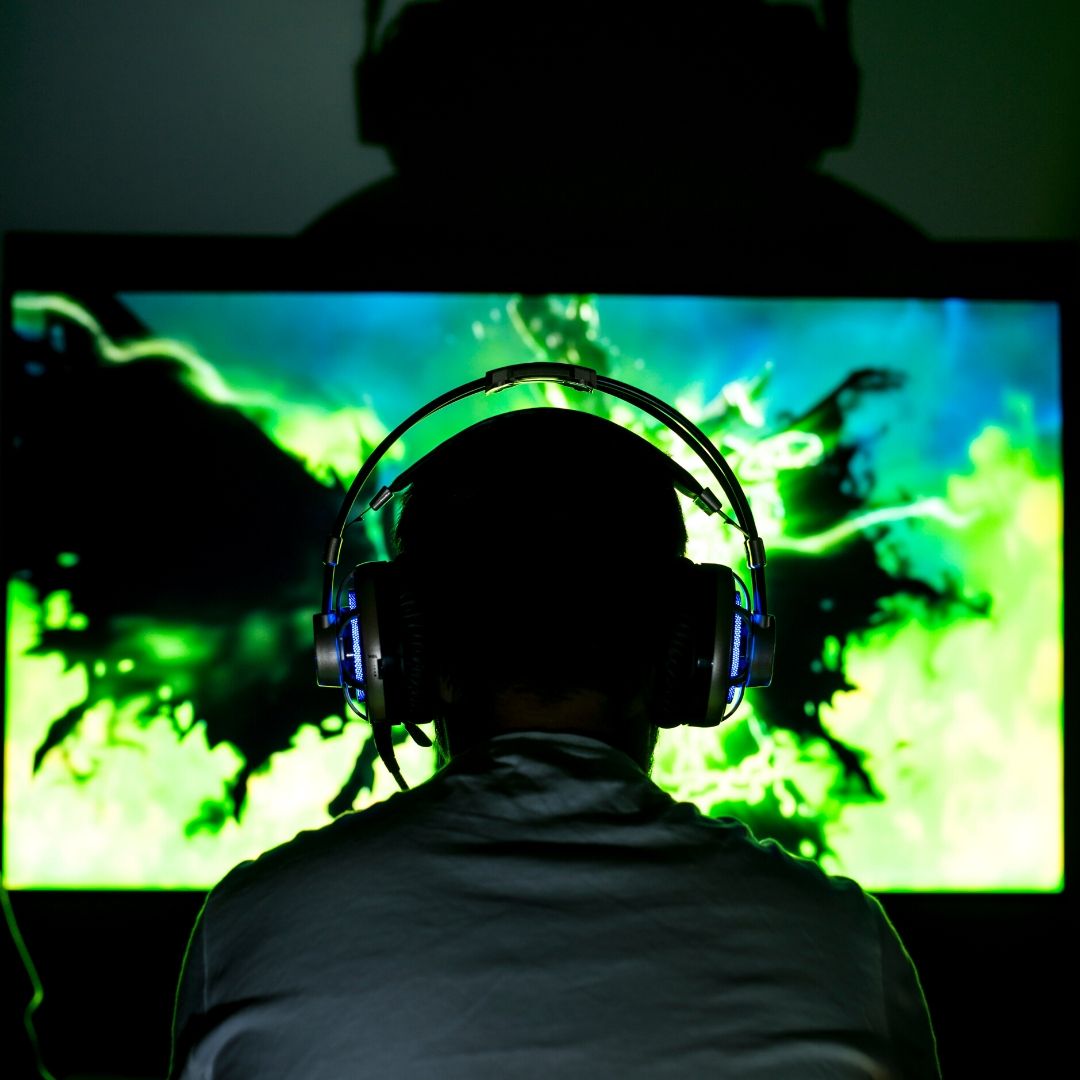
At first, gaming may feel harmless, even helpful. It’s a way to de-stress after a long day or connect with friends online. Over time, however, patterns develop: hours stretch into all-nighters, hygiene is neglected, and responsibilities accumulate. Relationships strain as loved ones feel neglected, while work or school performance plummets under the weight of fatigue and distraction.
Withdrawal symptoms like irritability, anxiety, or sadness emerge when you’re forced to log off. The rush of winning or unlocking achievements demands more and more time, leading to isolation. Parents may feel helpless as they watch a child become immersed in the screen, while partners may feel abandoned in favor of an online world. Physical health suffers too from sedentary habits, poor sleep, and stress on the body.
People caught in this cycle often want change but don’t know where to start. They may long to reconnect with loved ones, restore balance in their schedule, or rediscover interests outside of gaming. What they’re really looking for is freedom: freedom to enjoy games in moderation without sacrificing their health, relationships, or future.
How Video Game Addiction Can Strain Relationships
Video game addiction doesn’t just affect the individual; it reverberates through relationships with family, friends, and partners. When gaming becomes all-consuming, loved ones often feel neglected, frustrated, or even resentful. Adults may prioritize online victories over time with their spouse or children, creating emotional distance and tension in the home.
Children and teens with video game addiction may withdraw from family activities, struggle with schoolwork, and resist communication. Parents can feel helpless, unsure how to set boundaries or regain connection, while siblings may experience feelings of neglect or jealousy. Couples can face similar challenges, as excessive gaming often leads to misunderstandings, conflict, and a decline in intimacy.
Excessive gaming also creates communication breakdowns. Arguments over screen time or responsibilities frequently escalate, leaving family members feeling unheard or dismissed. The individual caught in the cycle may become defensive or secretive about gaming habits, which further erodes trust and prevents meaningful dialogue.
Even friendships can suffer. Social bonds weaken when real-life interactions are replaced with online gaming communities. Over time, isolation can intensify, leaving the gamer feeling trapped in a cycle of compulsive play and relational disconnection.
Video game addiction therapy addresses these challenges by helping individuals regain control over gaming habits, repair communication, and rebuild trust. Families and partners learn strategies to set healthy boundaries and reconnect, fostering relationships that are supportive, balanced, and fulfilling.
How Video Game Addiction Therapy Helps
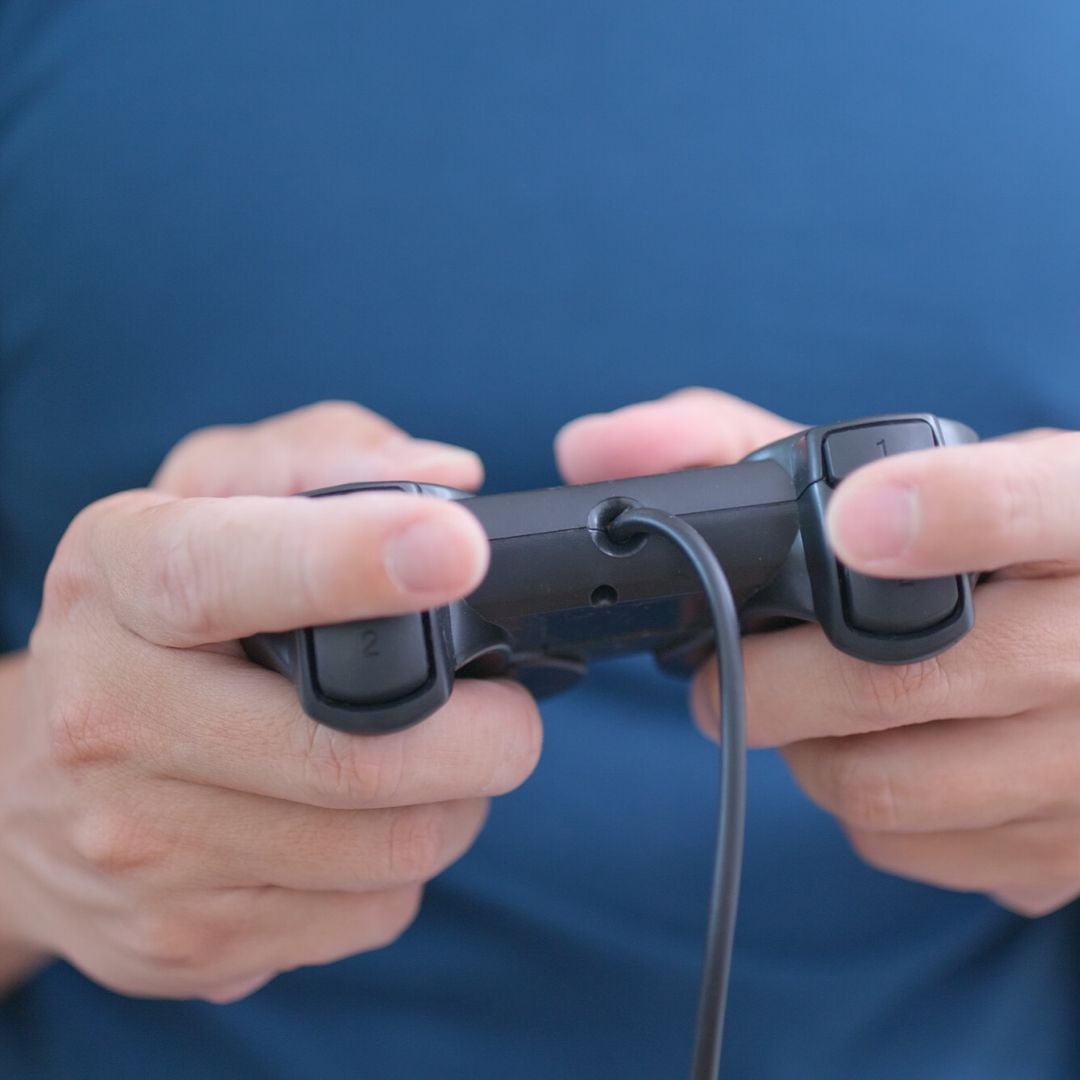
Therapy provides a structured path toward reclaiming your life. In treatment, we explore the triggers driving excessive gaming, whether it’s stress, loneliness, or difficulty managing emotions. The therapy that we provide will help you identify unhelpful thought patterns, build coping strategies, and develop healthier routines.
You’ll learn how to set boundaries around gaming, repair strained relationships, and rebuild confidence in real-life activities. Therapy also helps you address the underlying issues like anxiety, impulsivity, or depression that often fuel gaming addiction. With support, you’ll discover ways to replace compulsive gaming with fulfilling habits, like exercise, creativity, or face-to-face connections.
Importantly, therapy doesn’t demand you give up gaming entirely. Instead, it equips you to use moderation and regain control. By shifting focus from escape to engagement with real life, you can build lasting balance and meaning.
Winning The Game
Imagine waking up energized, not exhausted from late-night sessions. You head into your day with focus, no longer distracted by the constant pull of the next match or mission. Relationships feel stronger as you reconnect with family, friends, and partners who have longed for your presence. Work and school performance improve because you’re fully engaged, not half-present and half in a virtual world.
You rediscover hobbies, physical activity, and real-world experiences that bring joy and growth. Instead of gaming being your only escape, it becomes just one of many activities you enjoy—no longer controlling you. Confidence rises as you prove to yourself that you can change, and the future feels open again.
This is what video game addiction therapy offers: not a life without gaming, but a life where gaming is a choice, not a compulsion.
Common Reasons People Avoid Therapy and Why to Come Anyway
“It’s not that serious. Everyone plays games.”
Yes, gaming is common, but not everyone experiences the consequences you’re facing. When gaming interferes with health, relationships, or work, it’s no longer just “fun.” Therapy helps you recognize the difference and create healthier boundaries.
“I can fix this on my own.”
Many people try to quit or cut back alone, only to relapse when stress or boredom hits. Therapy provides accountability, structure, and tools that go beyond willpower—offering a realistic, sustainable way forward.
“I don’t want to give up gaming completely.”
Good news: you don’t have to. Therapy focuses on moderation and control, not prohibition. The goal is to restore balance so that gaming is part of life, not the whole of it.
Take the First Step
Video game addiction doesn’t have to control your life. With targeted therapy, you can break free from compulsive habits, rebuild meaningful relationships, and create a fulfilling life beyond the screen. Reach out today, your next level isn’t online; it’s in real life. Our experienced therapists specialize in video game addiction, understanding the culture and language because they are gamers themselves. We’re here to help you take that crucial first step. Contact us now or book a session below, and start your journey to freedom today.