Psychotherapy For Gamers
Video games have become more accessible and popular while also fostering social connections and competitive opportunities. As video games are increasingly integrated into our daily lives, some of our mental health concerns can manifest within this virtual space. This means that the issues we face outside of gaming can influence how we enjoy our gaming experiences. You may notice difficulties in maintaining enjoyment, participating actively, managing anger, keeping track of time, or feeling ashamed about your interest in gaming. Despite the growing recognition of gaming in our culture, discussing these challenges openly remains difficult. It’s important to feel free to explore your identity and experiences, including how the media you engage with connects you to yourself and others. Below are some ways these issues can relate to deeper meanings in your gaming journey.

Like any other hobby, interest, or social meeting, how we interact and feel about video gaming helps us understand who we are and what challenges we are faced with. Below are some of the common ways that what we experience in game can speak about us. Note that this is not an exhaustive list and that I want you to share your personal experiences and challenges through gaming with us.
Gaming Depression
Video games can be visually stimulating, competitively engaging, deeply meaningful, and socially connecting. However, the enjoyment we derive from them can sometimes diminish, fluctuate, or even fade away. It can be challenging to confront the loss of joy in a hobby that once brought us so much happiness. External factors may interfere with our ability to reconnect with that joy.
The same themes often found in depression can manifest in our gaming experiences. We may feel persistent sadness when facing challenges in the game, or we might struggle with criticism that tarnishes our enjoyment of the time spent playing. When these feelings are left unaddressed, they can lead to hopelessness, shame, and guilt.
Gaming Anxiety
We hold expectations for many things, and gaming is no different. Whether we are soaking in a collective expectation to enjoy a game, struggling to overcome a challenge, climbing the ladder/ranked playlists, or meeting the performance expectations of ourselves or others. Gaming can reveal how we carry and foster anxieties. How we experience these anxieties in gaming can show us our difficulties in feeling accepted and part of a community when having opposing beliefs, varied in-game skill, or worries about value as a player or person.
Video Game Addiction
When we find ourselves consuming content for longer than we intended. Often, at the cost of our responsibilities, obligations, and relationships, we confront a significant challenge. Society usually teaches us that the way to tackle addiction is to quit entirely. However, this approach fails when it comes to video games, which can be vital for our connections, relaxation, and coping mechanisms. Instead of merely trying to eliminate gaming from our lives, we should delve into the underlying reasons that make it difficult for us to engage with other essential needs.
Video games provide enjoyment, while chores often feel tedious. Therefore, it’s crucial to discover ways to imbue our daily responsibilities with meaning and significance. By doing this, we can alleviate feelings of shame and guilt about our time spent, ultimately achieving a healthier balance and a more fulfilling life. Engaging with our responsibilities doesn’t have to detract from our enjoyment; rather, it can enhance our overall well-being.
Identity, Role, Relationship Conflicts in Gaming
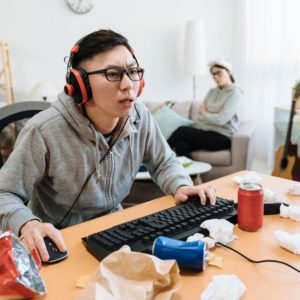
Building on our previous discussion about addiction, we may face criticism, dismissiveness, or rejection related to how we spend our time. There are several reasons for friction with others, such as failing to express our interests or difficulties in sharing responsibilities. Additionally, others may feel that their needs are being interrupted by our gaming habits. While we cannot control how others perceive us, we must recognize how our gaming affects our environment and our role within it. This awareness helps us cultivate clarity and gives us the confidence to validate ourselves or make healthy changes if necessary.
Gamer Rage/Rage Quitting
Our previous topic points were to help illuminate how experiences with gaming could highlight how we respond through a depressive position; however, parallel to debilitating symptoms and experiences, our difficulties can manifest in irritability or anger. When we are unable to connect with feelings of excitement or joy, we may find ourselves lashing out at ourselves, those close to us, or even gaming developers and communities. This behavior presents when we’re not having fun, finding challenges overwhelming, or receiving criticism. Anger presents as a defensive and adaptive function in part due to feeling hopeless; however, it may also indicate difficulty accepting our abilities in game, triggering fears of rejection from our own personal identity or position with peers, the community, or ladder.
Becoming A Better Gamer
As an avid gamer, I have seen peers and clients struggle to acknowledge or recognize the debilitating or cyclical nature of these scenarios. As stated previously, who you are and what you experience are important and critical to your treatment. Clients engaged in therapy find a voice to confidently express themselves and tackle sources of their distress through understanding where it affects them and why. You can expect to gain relief by understanding why you experience these symptoms and how to engage in meaningful change. Clients experiencing validation and normalization can also express themselves more authentically within home, school, and social environments, allowing for the building of fulfilling and vulnerable relationships that align with the client’s values and beliefs.

Gamer Therapy
Navigating these concerns within therapy helps reconnect to the joys of gaming; however, evolved to meet you at your level of development and growth. Whether you have the confidence to express your interests, no matter what the collective shares, or engage in gaming with a desire to be competitive without letting your rank determine your worth, it is about experiencing it your way. To cultivate relationships where understanding meets balance, having the confidence to assert boundaries regarding your interests and needs while also being aware of the other important roles that help you feel fulfilled.
What Keeps You From Leveling UP Your Life?
“It’s just video games.”
To those who have reached this segment, you know that it is not just a video game, but an emotional state of being that hits more deeply. It is present within your gaming experiences; however, it signals a deeper understanding of who you are and what you are experiencing. Allow us to help you connect to this deeper meaning and navigate through these uncomfortable experiences.
“I can’t change their opinions anyway.”
We may experience guilt, shame, or anger about how those around us interact with our interests; however, after multiple attempts at communication, it may begin to feel hopeless. Therapy helps us understand our needs, how we communicate them, and where our defenses may be distorting what we truly want. Parallel to connecting, therapy helps us recognize unhealthy relationships and cultivates confidence in utilizing our voice to begin change.
“I’m not the problem.”
Whether we are guarded and unable to honestly express ourselves or need to acknowledge an unhealthy relationship dynamic, it is essential to breathe life into this topic to initiate change. However, this is not the only way we disregard our ability to influence our experiences. In gaming, how often have you seen flaming or toxicity online? While we could either be the victim or toxic behavior or the perpetrator, it is important to have strategies to navigate gaming and an understanding of why it hurts so deeply when we find ourselves in one of these exchanges. Therapy helps us understand our own wounds, which get activated, as well as build the resilience to have a good and healthy defense.
From One Gamer To Another
As someone who has found a part of their identity in gaming, I can help you work through any issues you may have with gaming. No matter what type of gamer you are, you can level up your life, and I am here to help. Contact us below to get started developing the most important character in your life….. YOU!